Museum

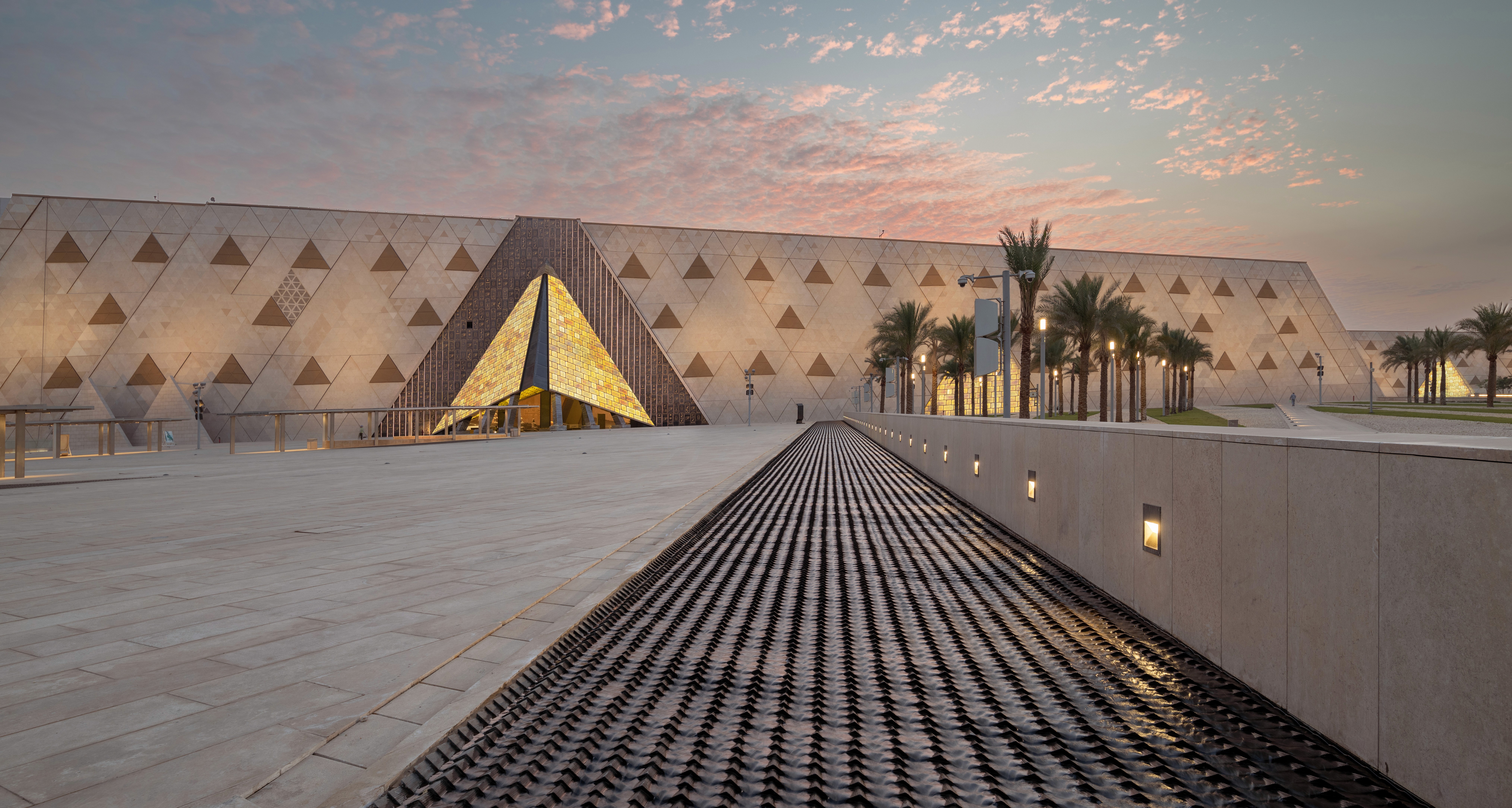
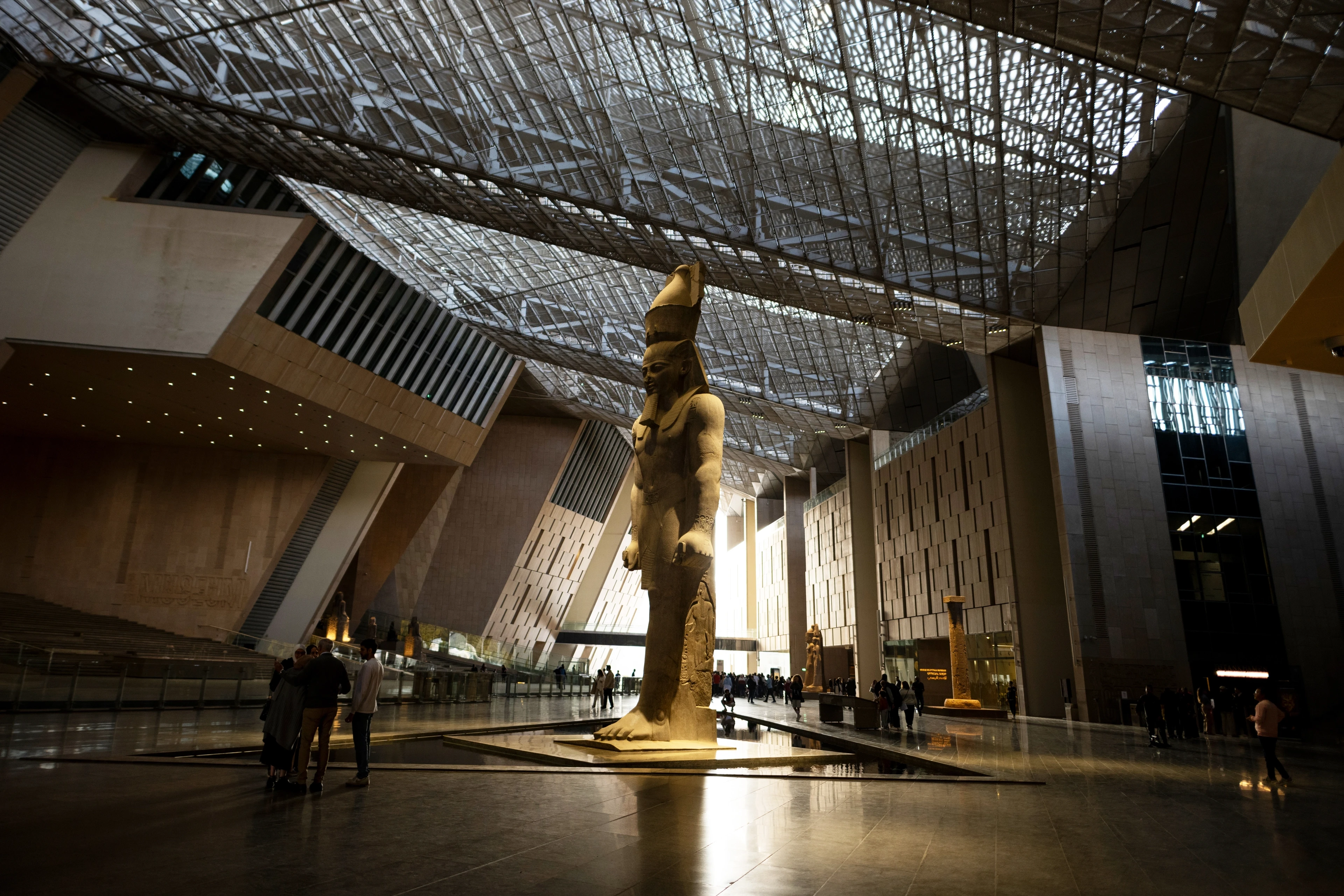
After more than two decades of planning and construction, Egypt has officially opened the Grand Egyptian Museum (GEM) near the Pyramids of Giza. Dedicated entirely to ancient Egyptian civilization, the museum is the largest archaeological museum in the world devoted to a single civilization. Spanning nearly 500,000 square metres, it houses more than 100,000 artefacts, including the complete collection of Tutankhamun's treasures displayed together for the first time in history.
Located just two kilometres from the Giza Pyramids, the museum combines monumental architecture, cutting-edge conservation laboratories, immersive exhibition spaces and panoramic views of one of humanity's most iconic landscapes. It has been designed not simply as a museum, but as a global cultural destination.
Heritage as a Strategic Asset
The Grand Egyptian Museum reflects a broader vision for Egypt's future. Rather than treating its archaeological heritage solely as a legacy to preserve, the country is positioning it as a strategic economic and diplomatic asset.
For decades, Egypt's ancient civilization has been one of the world's most recognisable cultural brands. The pyramids, the Sphinx and the treasures of Tutankhamun have shaped global perceptions of the country for generations. The Grand Egyptian Museum transforms that historic reputation into a modern institution capable of competing with the world's leading museums while redefining the visitor experience.
The museum also forms part of Egypt's Vision 2030, which seeks to expand tourism, stimulate investment and increase the country's international competitiveness. Authorities have set ambitious targets for international arrivals, viewing tourism as a major driver of economic growth and employment.
A New Expression of Soft Power
The opening of the museum illustrates how culture has become one of the most powerful instruments of soft power.
Soft power is often associated with cinema, music or sport, but museums play an equally important role. They shape how countries present themselves to the world, preserve national identity and create lasting emotional connections with international visitors.
The Grand Egyptian Museum does exactly that. Rather than simply displaying artefacts, it tells the story of one of humanity's greatest civilizations through contemporary architecture, digital technology and world-class conservation. It reinforces Egypt's position not only as the guardian of an extraordinary past, but also as a country capable of investing in globally significant cultural infrastructure.
In doing so, Egypt is transforming heritage into influence.
Tourism Beyond the Pyramids
The museum is also expected to reshape Egypt's tourism industry.
For many visitors, the pyramids have traditionally represented a one-day excursion before travelling elsewhere in the country. The Grand Egyptian Museum changes that dynamic by creating a destination capable of attracting visitors for an entire day or longer.
Its galleries, restaurants, public plazas, gardens and cultural programming encourage longer stays and greater visitor spending. The integration of the museum with nearby archaeological sites also creates a more complete tourism experience centred around Giza.
Beyond tourism, the project has generated investment in transport infrastructure, hospitality, retail and surrounding urban development, illustrating how major cultural institutions can stimulate wider economic activity.
Competing Through Culture
Around the world, countries increasingly compete through cultural influence as much as through economic performance.
France projects influence through the Louvre.
Spain through the Prado.
The United Kingdom through the British Museum.
The United Arab Emirates has invested heavily in the Louvre Abu Dhabi as part of its own cultural strategy.
With the Grand Egyptian Museum, Egypt has reaffirmed that cultural heritage remains one of its strongest competitive advantages.
Rather than creating a new narrative, the country is building upon one that has fascinated the world for centuries, presenting it through an institution designed for the twenty-first century.
A Landmark for Nation Branding
The Grand Egyptian Museum is ultimately much more than a museum.
It is one of the most ambitious cultural investments ever undertaken in Africa and the Middle East. It demonstrates how heritage can become a strategic tool for strengthening a country's international image, supporting tourism, attracting investment and reinforcing national pride.
In an increasingly competitive global landscape, countries are seeking distinctive assets that cannot easily be replicated.
For Egypt, that asset is its civilization.
The Grand Egyptian Museum transforms thousands of years of history into a platform for contemporary influence, proving that a nation's past can become one of its greatest resources for shaping its future.
