Art

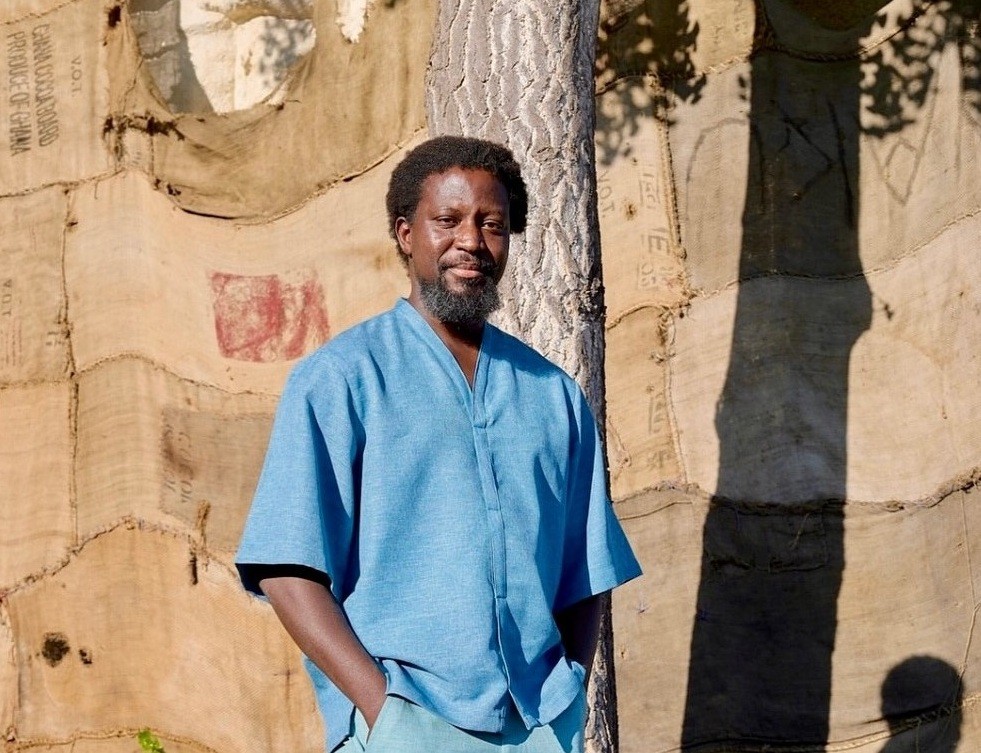
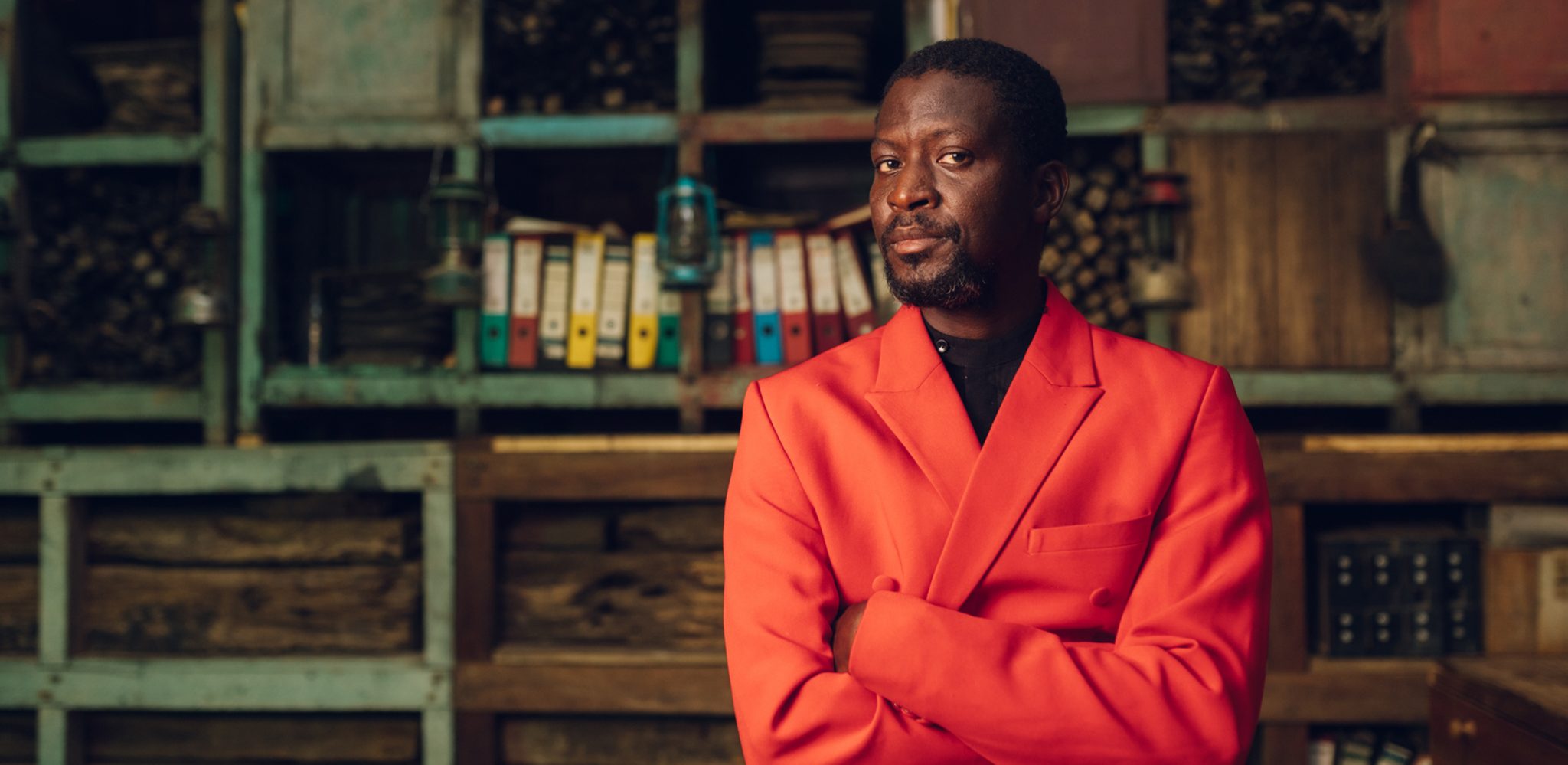
When ArtReview unveiled its 2025 Power 100, the annual ranking of the most influential figures in the contemporary art world, one name stood above all others: Ibrahim Mahama. The Ghanaian artist became the first person from the African continent to claim the number one position in the publication's 24-year history, marking a landmark moment not only for his career but also for African contemporary art.
For many outside the art world, Mahama may still be unfamiliar. Yet among curators, museum directors, collectors and artists, his influence has grown steadily over the past decade. Known for his monumental installations made from stitched jute sacks, industrial materials and discarded objects, Mahama explores themes of labour, colonialism, trade, migration and memory. His works have been exhibited at leading institutions including the Venice Biennale, the Barbican in London and major museums across Europe, Asia and North America.
More Than an Artist
What makes Mahama's recognition particularly significant is that ArtReview did not celebrate him solely for his artistic practice. The magazine highlighted his role as an institution builder. Rather than concentrating success around his own career, Mahama has invested in creating spaces for future generations of African artists.
In his hometown of Tamale, he founded the Savannah Centre for Contemporary Art (SCCA), Red Clay Studio and Nkrumah Volini, institutions dedicated to exhibitions, education, research, residencies and artistic experimentation. These initiatives have transformed northern Ghana into an emerging centre for contemporary art, demonstrating that cultural influence is built not only through individual talent but also through long-term investment in creative ecosystems.
A Milestone for African Soft Power
Mahama's rise reflects a broader transformation in Africa's cultural influence.
For decades, conversations about Africa's global position centred on natural resources, development or geopolitics. Increasingly, however, culture is becoming one of the continent's most powerful diplomatic assets. Music, fashion, literature, architecture, film and contemporary art are reshaping how international audiences perceive Africa.
Mahama's recognition illustrates this shift. By topping the Power 100, he has not simply received an award; he has become a symbol of Africa's growing ability to shape the global cultural conversation. The ranking itself is based on influence rather than commercial success, recognising those whose ideas, institutions and work have had the greatest impact on contemporary art over the previous year.
Redefining Cultural Leadership
Mahama's work also challenges long-held assumptions about where artistic innovation originates. Contemporary art has historically been centred around cities such as New York, London, Paris and Berlin. Mahama has demonstrated that globally significant cultural leadership can emerge from Tamale, a city far removed from these traditional centres.
Instead of relocating permanently to the world's established art capitals, he has chosen to invest in local infrastructure, creating opportunities for artists, researchers and curators within Ghana. This approach represents a different model of cultural leadership, one that seeks not only international recognition but also local transformation.
Why It Matters
The significance of Mahama's achievement extends beyond the art world.
Countries increasingly compete through culture as much as through economics or diplomacy. Successful artists influence how nations are perceived, attract international attention, inspire tourism, strengthen creative industries and contribute to national reputation. This is the essence of soft power: the ability to shape perceptions through attraction rather than coercion.
South Korea has done this through K-pop and cinema. Japan through anime and design. The United States through Hollywood. Africa is increasingly doing so through Afrobeats, literature, fashion and contemporary art.
Mahama now joins a generation of African creatives, including writers, musicians, filmmakers and designers, whose work is redefining the continent's image abroad. His recognition suggests that African culture is no longer simply participating in the global conversation; it is helping lead it.
A Historic Recognition
Ibrahim Mahama becoming the first African to top ArtReview's Power 100 is ultimately about more than one artist. It signals a broader rebalancing of cultural influence and reflects the growing confidence of African creative industries.
As governments across the continent seek new ways to strengthen their international image, Mahama's success offers an important lesson: investment in culture is not merely an artistic choice, it is a strategic one. In an era where reputation has become a key source of influence, artists can become some of a nation's most powerful ambassadors.
For Africa, Ibrahim Mahama's achievement is therefore not only a personal triumph. It is another reminder that the continent's greatest global asset may increasingly be its creativity.
