Music
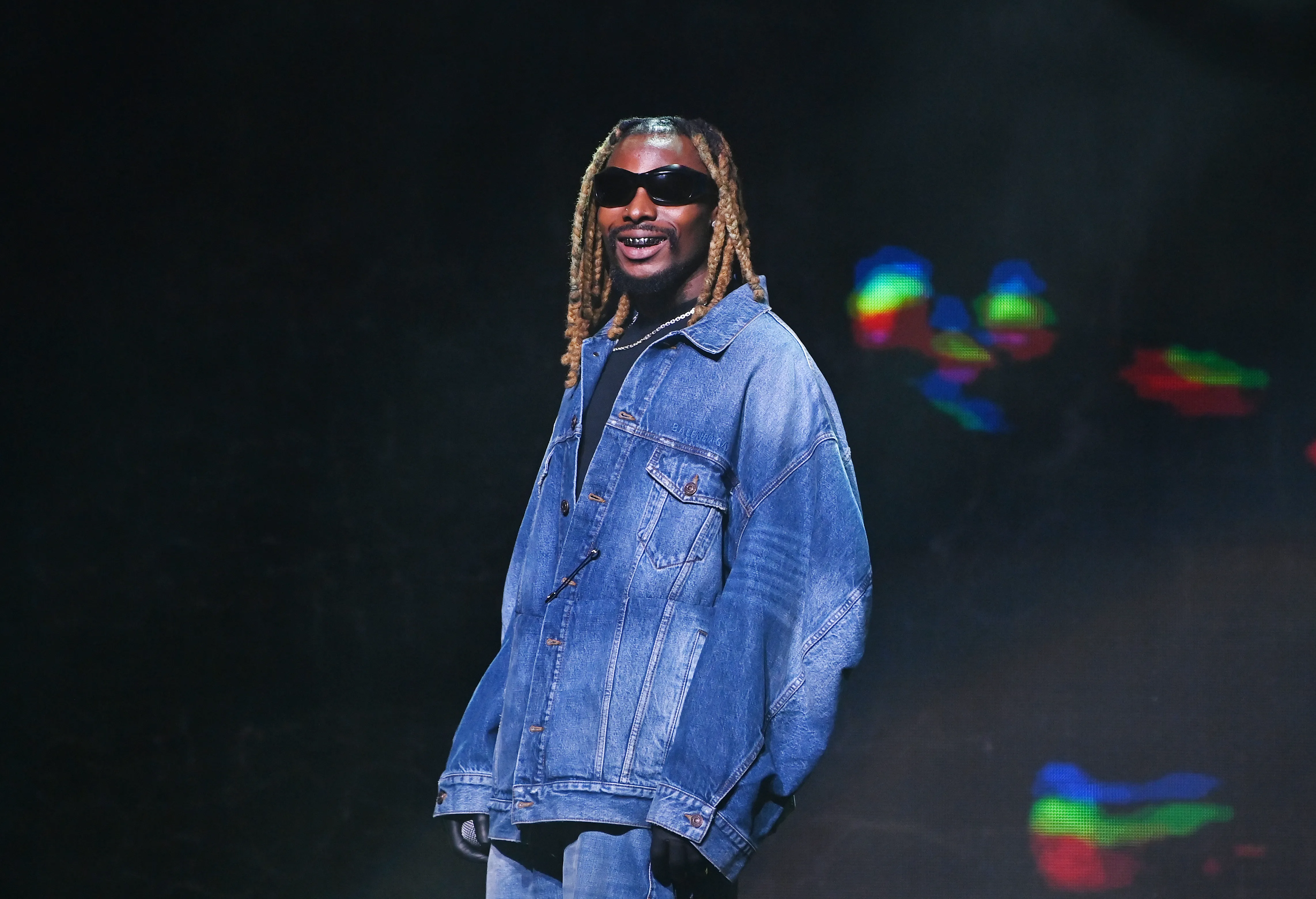
Something remarkable has happened to African music.
In London clubs, on American radio, across European festivals and through billions of streams from Mexico to India, African artists are no longer appearing simply as occasional discoveries from the margins of the global music industry. Increasingly, they are among the people defining its sound.
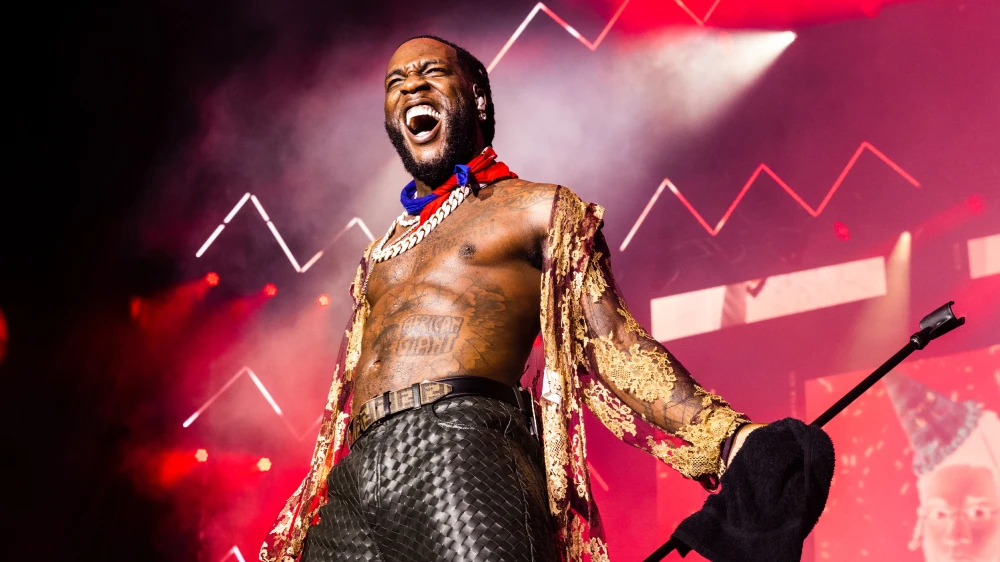
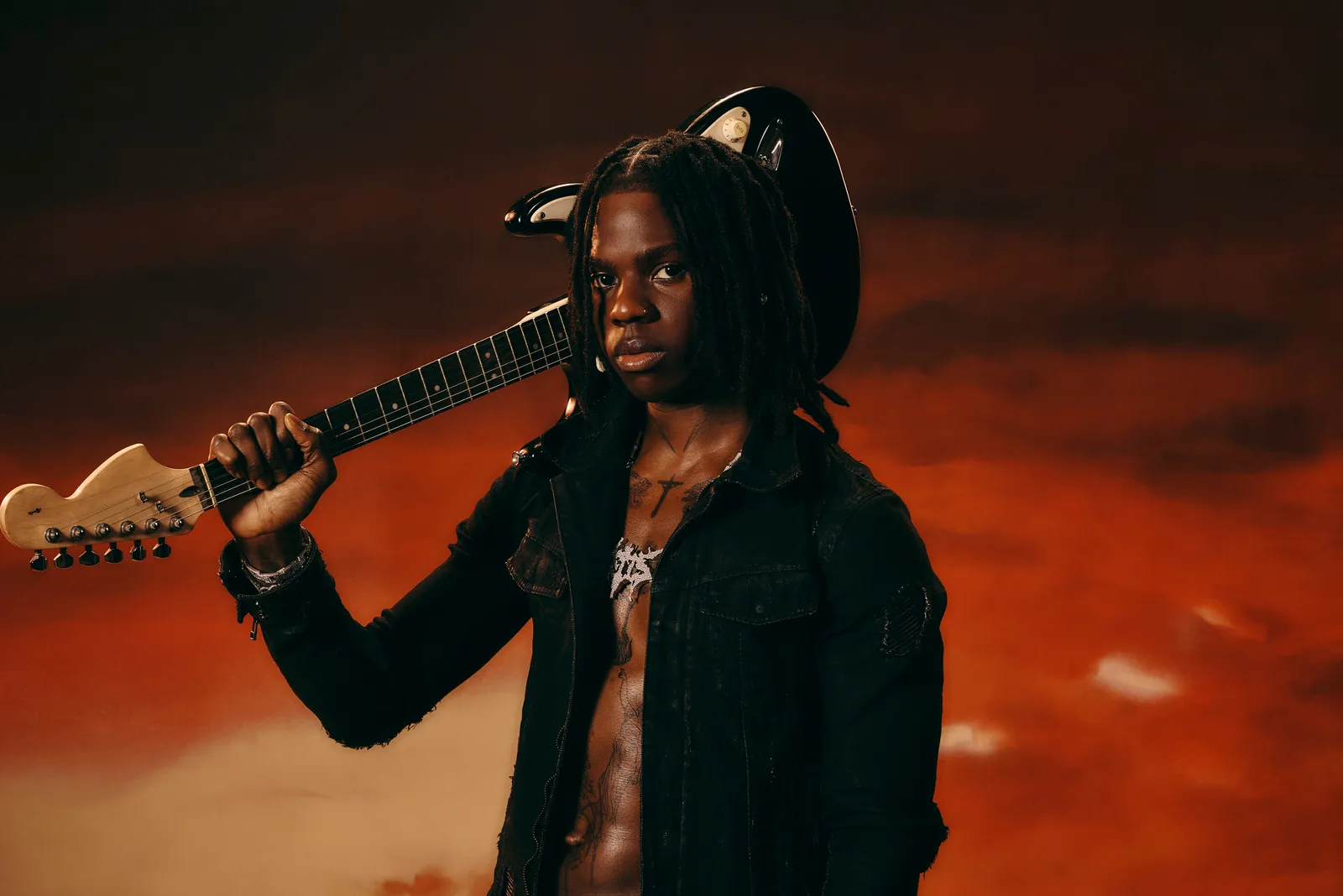
Burna Boy fills major arenas. Wizkid and Davido have built enormous international audiences. Tems has become a Grammy winning artist and songwriter with a presence across African and American music. Rema’s Calm Down travelled from Nigeria into one of the great global pop successes of recent years. Ayra Starr belongs to a generation whose careers have been international almost from the beginning.
Around them, an entire ecosystem of producers, songwriters, dancers, executives, festivals, labels and digital creators has grown in visibility.
The numbers capture part of the transformation. Spotify reported that Afrobeats generated more than 13 billion streams on its platform in 2022. By 2023, global Afrobeats streams on Spotify had grown by more than 550 percent since 2017, with audiences expanding well beyond traditional markets into countries including Mexico and India.
But numbers alone do not explain what is happening.
This is not simply the international success of a musical genre. It is a shift in cultural power.
For perhaps the first time in the modern era, a generation of African pop stars is reaching global audiences at enormous scale while remaining visibly, confidently and unmistakably connected to the continent. Their accents travel with them. Their cities travel with them. Their languages, clothes, dances, collaborations and cultural references travel with them.
And with every song, Africa travels too.
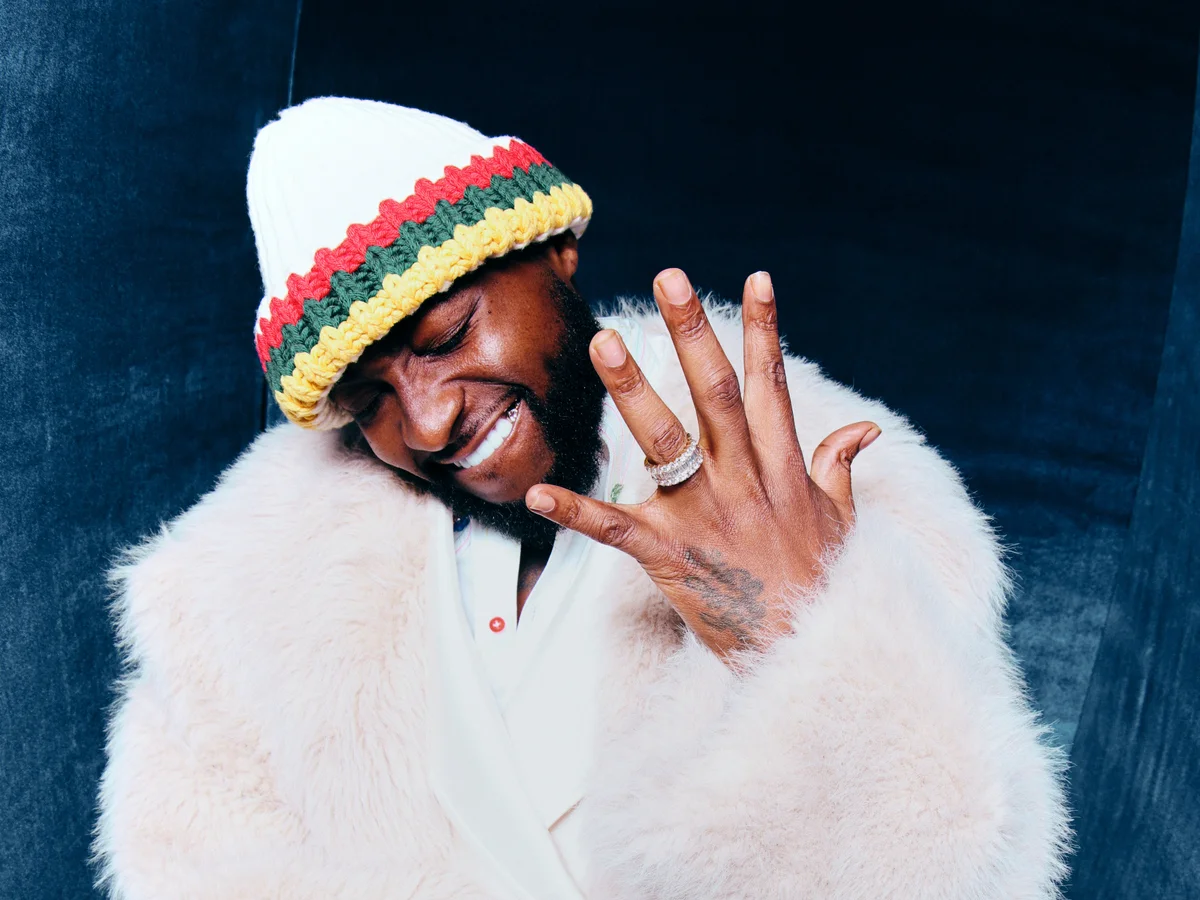
Afrobeats Did Not Appear from Nowhere
The international rise of Afrobeats can sometimes be told as though the world suddenly discovered African music in the streaming era.
The history is much deeper.
West Africa has long produced musical forms that travelled across borders. Highlife developed through Ghana and Nigeria during the twentieth century, drawing on local traditions as well as musical exchanges created through coastal cities, brass bands, jazz and other influences. Juju and fuji developed powerful popular traditions in Nigeria.
Then came Afrobeat, without the final “s”.
The distinction matters.
Afrobeat is closely associated with Fela Kuti, the Nigerian musician who, alongside drummer Tony Allen and others, developed a revolutionary musical language combining elements of highlife, jazz, funk and West African rhythmic traditions. Fela turned that music into something political as well as cultural, using it to confront military governments, corruption and social inequality.
Afrobeats, the contemporary umbrella term, describes something different.
It emerged decades later around a broad constellation of predominantly West African popular sounds, particularly from Nigeria and Ghana. Rather than defining one precise musical structure, the term came to encompass a fluid popular music ecosystem capable of absorbing influences from R&B, hip hop, dancehall, house, highlife and numerous African traditions.
That flexibility would become one of its greatest strengths.
Afrobeats did not need to remain pure to become global. Its ability to collaborate, absorb, transform and circulate became part of its identity.
Lagos and Accra Became Cultural Laboratories
The story of Afrobeats is inseparable from cities.
Lagos, in particular, became one of the great laboratories of contemporary African popular culture. Its enormous population, nightlife, media industry, fashion, digital culture and relentless entrepreneurial energy created an environment in which music could circulate quickly between studios, clubs, radio, television and, eventually, social media.
Accra developed its own influential ecosystem, connected to Ghana’s musical history and increasingly intertwined with Nigeria’s.
The relationship between the two countries has been fundamental to the evolution of the sound. Artists, producers and audiences moved between them, while the African diaspora in London provided another crucial bridge.
This geography matters from a nation branding perspective.
Cities acquire international identities partly through the culture they produce. Nashville means country music. Detroit evokes Motown and techno. Kingston is inseparable from reggae. Seoul has become deeply associated with K pop.
Increasingly, Lagos evokes music.
For millions of young listeners around the world, their first sustained relationship with Nigeria may not come through a newspaper article, an investment report or a tourism campaign.
It may come through a song.
Then the World Started Listening at Scale
Streaming transformed the geography of music.
Historically, entering international markets required access to radio programmers, physical distribution, major record companies and other gatekeepers concentrated largely in North America and Europe. Digital platforms did not eliminate those structures, but they created new routes through which music could cross borders.
Afrobeats was exceptionally well positioned for that world.
Spotify reported more than 13 billion Afrobeats streams in 2022, while consumption on the platform increased by more than 550 percent between 2017 and 2023. The company identified the United States, United Kingdom and Nigeria among its largest Afrobeats markets, while noting rapid growth elsewhere, including France, the Netherlands and Mexico.
Then individual songs began reaching extraordinary milestones.
In 2023, Rema’s Calm Down became the first track led by an Afrobeats artist to reach one billion streams on Spotify.
What had once been described as an African musical phenomenon was becoming part of global pop culture.
The distinction is important.
International audiences were no longer merely listening to African music because it was African.
They were listening because it was popular music.
A Generation of African Superstars
Every cultural revolution eventually acquires faces.
Afrobeats has many.
Wizkid helped push the sound into international pop through his own music and collaborations, including his appearance on Drake’s One Dance. Davido built a vast following while moving between African and international markets. Burna Boy developed an international career that has taken him onto some of the world’s most important stages and earned him the Grammy Award for Best Global Music Album for Twice as Tall.
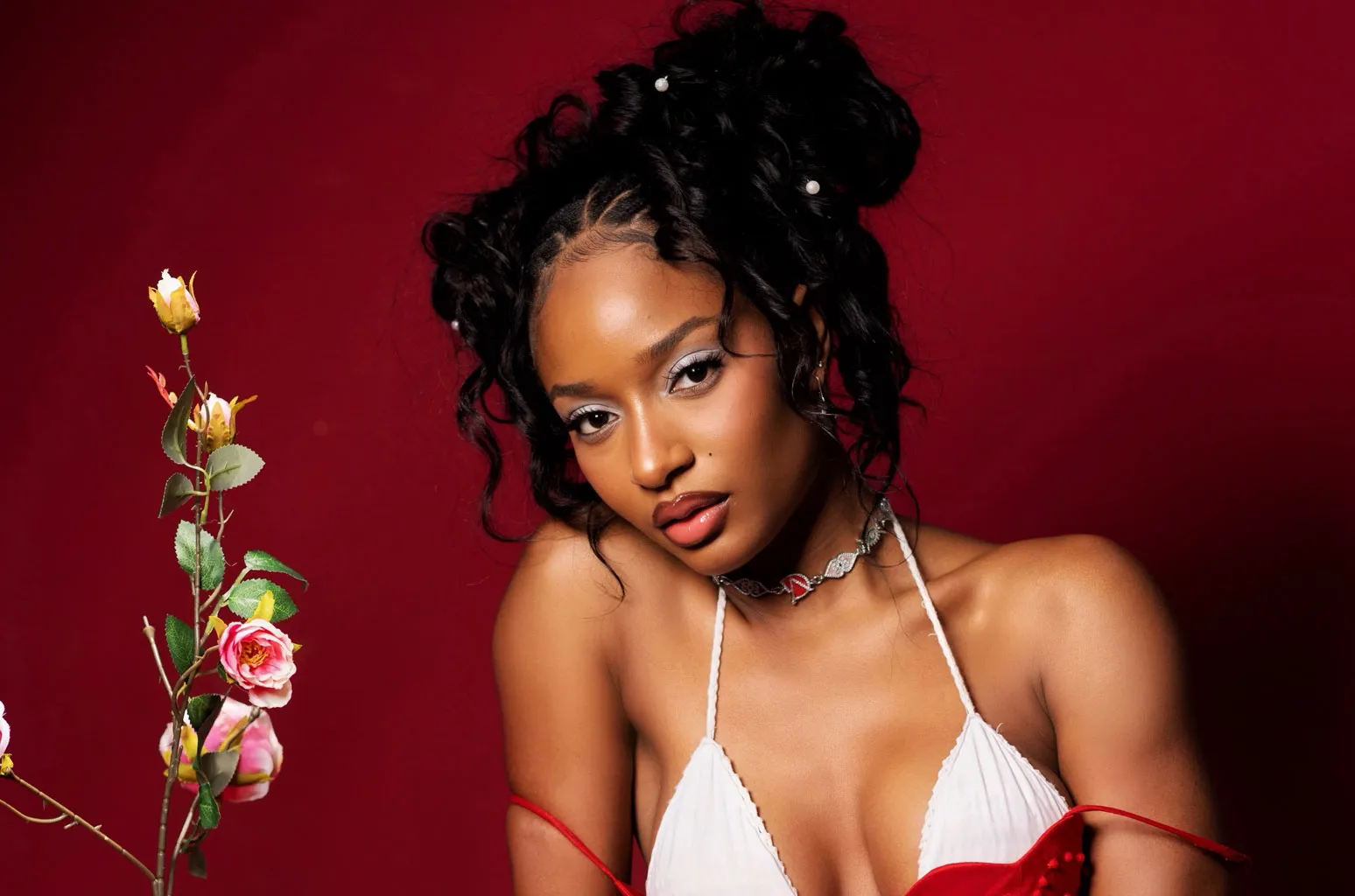
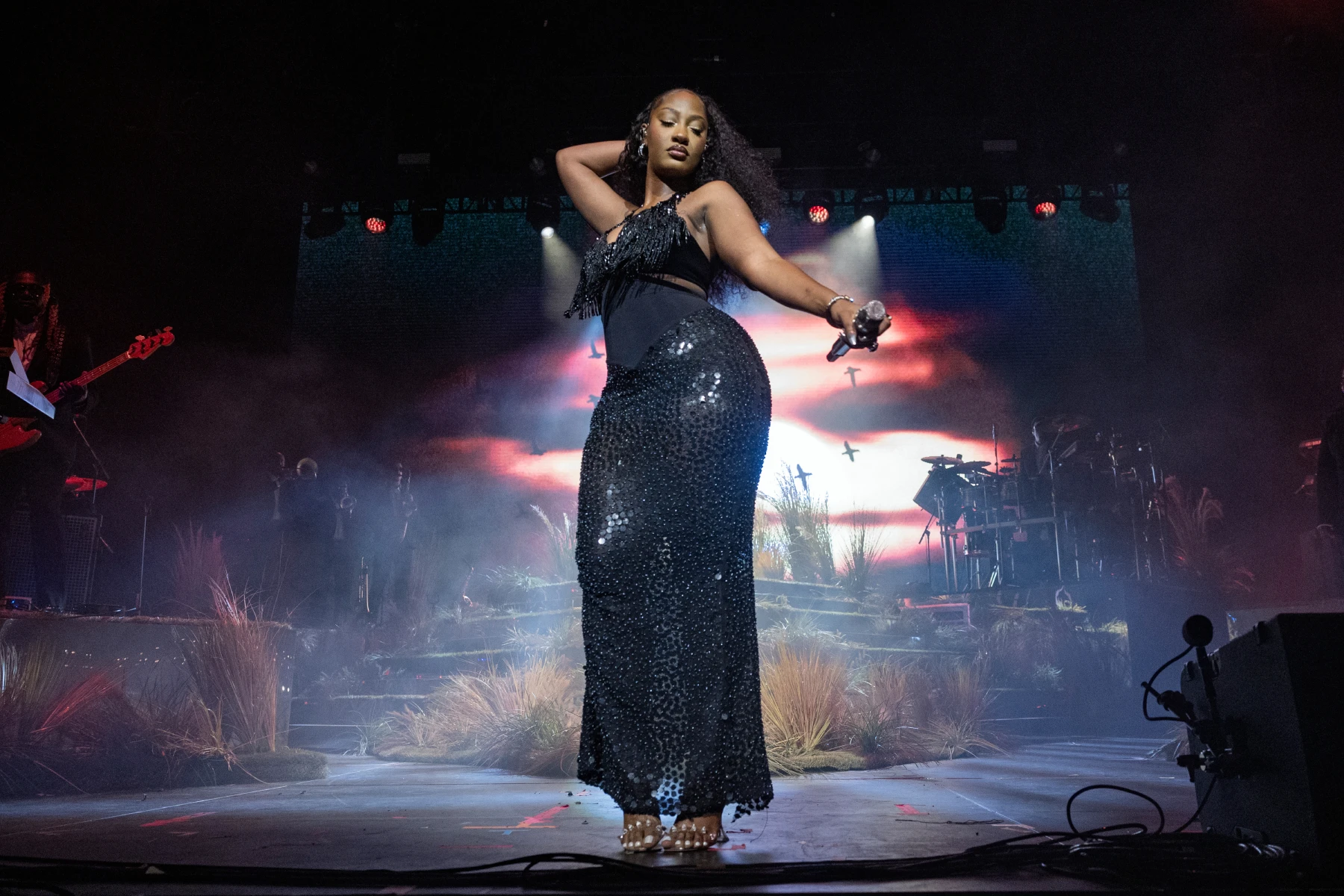
Tems represents another dimension of the transformation. Her voice travelled internationally through Wizkid’s Essence before collaborations and songwriting connections placed her alongside some of the biggest names in American popular music. In 2025, she won the Grammy for Best African Music Performance with Love Me JeJe.
Ayra Starr, Asake, Omah Lay and others demonstrate how quickly the pipeline continues to renew itself.
These are not simply African celebrities who occasionally cross into Western markets.
They are global stars whose Africanness remains central to their public identities.
That distinction has profound implications for the image of the continent.
When the Grammys Changed Their Categories
Institutions often change after culture has already changed around them.
In June 2023, the Recording Academy announced the creation of the Grammy Award for Best African Music Performance. It was awarded for the first time in 2024.
The category recognised recordings drawing on musical expressions from across Africa, explicitly including Afrobeats, Afrobeat, amapiano, highlife, bongo flava, Ghanaian drill, kizomba, genge, ndombolo and numerous other traditions.
Its creation was significant precisely because it demonstrated that African music could no longer be comfortably contained within the broad international categories historically used by Western awards institutions.
At the inaugural ceremony, the nominees themselves told a story about contemporary African music. Nigeria was represented by Burna Boy, Davido, Ayra Starr, Asake and Olamide, while South Africa’s Tyla won the first award with Water.
Tems won the following year with Love Me JeJe. Tyla won again in 2026 with PUSH 2 START.
The category is broader than Afrobeats, and that is precisely the point.
Afrobeats helped open a door, but what is moving through it is a much larger African musical ecosystem.
The Amapiano Effect
South Africa provides perhaps the clearest demonstration that this cultural transformation cannot be reduced to Nigeria alone.
Amapiano emerged from South African townships and developed its distinctive identity through deep house influences, jazz, piano melodies, percussion and the unmistakable log drum that became one of its signatures.
It too travelled.
DJs, dancers, TikTok creators and streaming platforms helped move amapiano far beyond South Africa. Collaborations increasingly blurred the boundaries between West African pop and South African dance music.
Tyla’s global breakthrough became one of the clearest manifestations of that convergence.
Her success matters because it complicates the idea of a single African sound.
There is no single African sound.
There is instead an increasingly connected cultural ecosystem in which Lagos, Accra, Johannesburg, Pretoria and other centres can generate music capable of moving rapidly across the continent and then around the world.
That diversity is itself an asset.
The Revolution Is Also Visual
Listen to Afrobeats and you hear Africa.
Watch it and something else happens.
Music videos, concerts, album artwork, fashion and social media expose global audiences to an African visual universe that is markedly different from the imagery through which the continent was historically presented internationally.
The Africa of contemporary music is fashionable, urban, creative, youthful, desirable and self confident.
Lagos appears not simply as the setting for stories about congestion or inequality, but as a cultural metropolis. African fashion moves through videos and stages. Nigerian Pidgin travels into international playlists. Yoruba expressions appear inside songs consumed thousands of kilometres from West Africa. Dance moves born in African cities are reproduced around the world.
None of this was designed by a ministry of tourism.
That is precisely what makes it powerful.
Soft power is most credible when attraction precedes persuasion.
People hear the music because they like it. They imitate the dances because they enjoy them. They follow the artists because they find them compelling. Along the way, they encounter another representation of Africa.
Culture does not ask audiences to reconsider the continent.
It gives them reasons to do so.
From the Single Story to Millions of Streams
This matters because Africa has long faced a problem of narrative imbalance.
In her celebrated 2009 TED talk, Nigerian writer Chimamanda Ngozi Adichie described what she called “the danger of a single story”, the process through which repeated narratives can flatten complex societies into a narrow collection of associations.
For Africa, those associations have often been particularly persistent.
Conflict, poverty, disease, political instability and humanitarian crises are real parts of the continent’s history and present. But when they dominate international representation, they can obscure the experience of more than a billion people living across dozens of countries and thousands of cultural worlds.
Afrobeats does not rebut those narratives through argument.
It overwhelms their monopoly through culture.
A teenager in São Paulo dancing to Rema, a student in Paris listening to Burna Boy, a club in London playing Asake or an audience in Los Angeles watching Tems encounters Africa through pleasure rather than crisis.
That is an extraordinary shift in the emotional vocabulary associated with the continent.
Africa becomes somewhere you dance to.
Somewhere you dress like.
Somewhere you want to visit.
Somewhere producing people you admire.
That is soft power in one of its purest forms.
From Cultural Consumers to Cultural Producers
For generations, African societies have consumed enormous quantities of cultural products originating elsewhere.
Hollywood films, American hip hop, European football, Caribbean music and international fashion have circulated throughout African cities and shaped generations of consumers.
The flow is now becoming more multidirectional.
African artists are not merely participating in global culture. They are influencing it.
The creation of the Grammy category is one institutional marker. Streaming numbers provide another. The growing commercial value of African recorded music provides yet another. According to IFPI, recorded music revenues in Sub Saharan Africa reached US$120 million in 2025, increasing by 15.2 percent in a single year.
The market remains small compared with North America, Europe or Asia, and South Africa still accounts for most recorded music revenue in the region. But its trajectory reflects an industry becoming more formalised, connected and commercially significant.
The cultural impact is already much larger than the revenue numbers suggest.
Africa is increasingly exporting taste.
The Soft Power of Desire
This may be Afrobeats’ greatest contribution to Africa’s image.
Nation branding ultimately concerns associations.
France benefits from associations with fashion, gastronomy and luxury. Italy possesses design, food and heritage. Jamaica transformed reggae into an extraordinary source of cultural recognition. South Korea has demonstrated how music, cinema, television, beauty and food can combine into an ecosystem of international attraction.
Africa is not a nation and cannot be branded as one.
But the same mechanism of attraction operates at continental scale.
Afrobeats creates desire around African culture.
It makes African names familiar. African accents recognisable. African cities culturally relevant. African fashion visible. African collaborations commercially valuable.
Most importantly, it allows African creators to participate directly in constructing the images through which their societies are seen.
That is fundamentally different from having Africa interpreted principally by outsiders.
A Revolution Without a Campaign
There was no single master plan behind this transformation.
No institution decided that Burna Boy, Wizkid, Davido, Tems, Rema and Ayra Starr would collectively become instruments of African soft power.
That is what makes the phenomenon so revealing.
Some of the most powerful nation branding in the world is not created by nation branding agencies.
It emerges from culture.
Artists create desire. Entrepreneurs build distribution. Diasporas provide bridges. Technology accelerates circulation. Audiences complete the process by deciding what they love.
Governments can support these ecosystems through intellectual property protection, cultural infrastructure, creative industry financing, education, venues, mobility and international cultural diplomacy.
But the attraction itself has to remain authentic.
Afrobeats succeeded because people wanted to listen.
Everything else followed.

Africa Is Becoming a Cultural Reference
It is still too early to know how far this transformation will travel.
Musical movements change. Genres evolve. Global attention moves quickly. Afrobeats itself will continue to fragment, merge with other sounds and perhaps eventually be replaced by terminology that better reflects the complexity of contemporary African music.
But something deeper has already changed.
A generation of African artists has demonstrated that global superstardom does not require cultural invisibility.
They can sing in English, Yoruba, Nigerian Pidgin or combinations of languages. They can collaborate with American stars without ceasing to sound African. They can move between Lagos, London, Accra, Johannesburg, Paris and Los Angeles without presenting their origins as something that must be translated away.
That confidence may ultimately matter as much as the streaming records.
For decades, much of the conversation about Africa’s international image concerned how the continent could explain itself differently to the world.
Afrobeats offers another answer.
Do not only explain Africa.
Make the world listen to it.
The revolution is already playing.
